Work
AI Outreach Toolkit
Scaling expertise with AI-generated customer communications.
Independent Project · Customer Success · AI · Workflow Design · 2026
The Problem
Every customer needed help promoting their engagement site, but creating strong outreach materials took significant time. In practice, that meant we often had to choose one or two assets to prioritize, even when a broader campaign would have been more useful.
The Shift
Before
Each implementation received one or two manually created outreach assets.
After
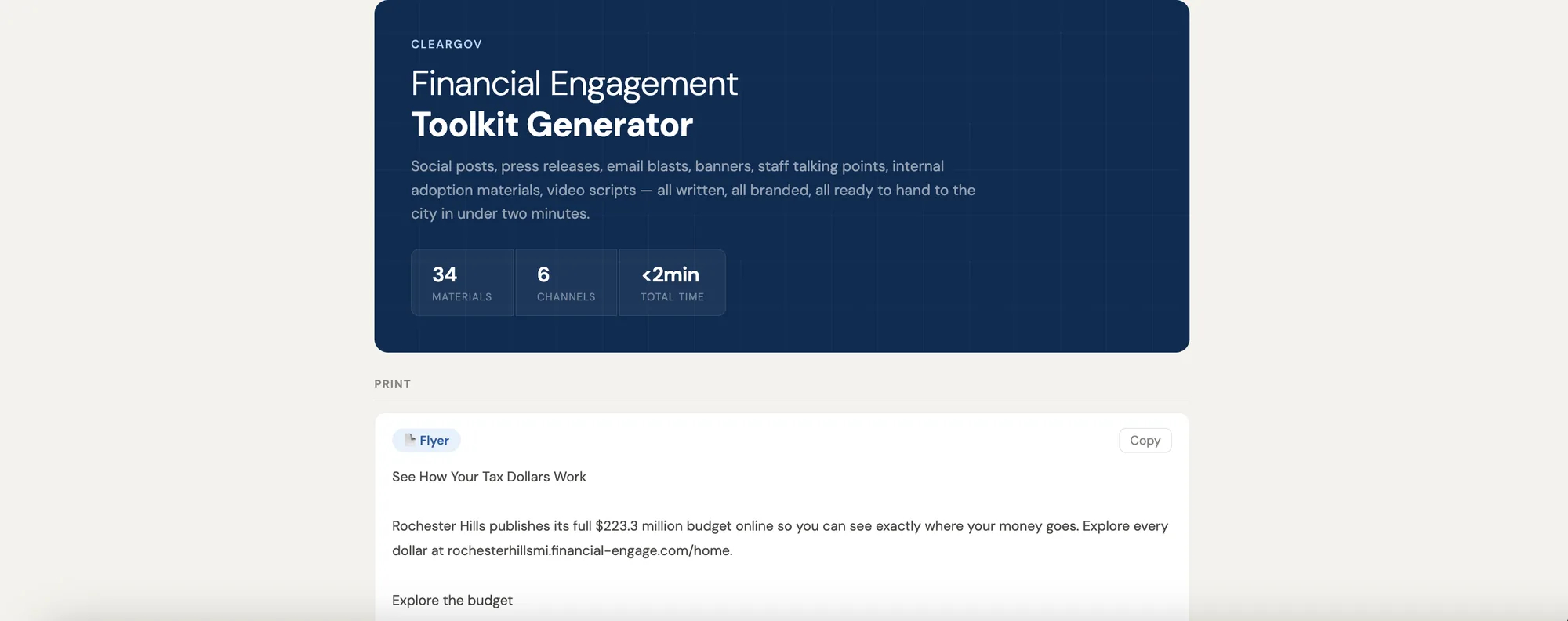
Every implementation could include a coordinated outreach campaign with more than thirty branded materials generated in minutes.
The Context
The challenge was not a lack of ideas. We knew the kinds of messages, formats, and calls to action that could help customers reach residents.
The constraint was production. Creating each asset individually made it difficult to deliver the range of materials a customer could actually use.
What I Built
I built an AI-assisted toolkit that turns a small amount of customer and campaign information into a complete set of tailored outreach materials.
The toolkit can generate more than thirty assets, including social posts, email copy, website language, flyers, talking points, and other campaign materials. It also applies repeatable guidance around audience, tone, goals, and calls to action so the output is useful rather than generic.

I documented the workflow as I built it so it could become a repeatable part of implementation, not just a tool I used myself.
The Outcome
The most meaningful result was not the reduction in production time.
Before the toolkit, I could realistically provide a customer with one or two polished outreach materials. After building it, I could provide more than thirty tailored assets in roughly the same working session.
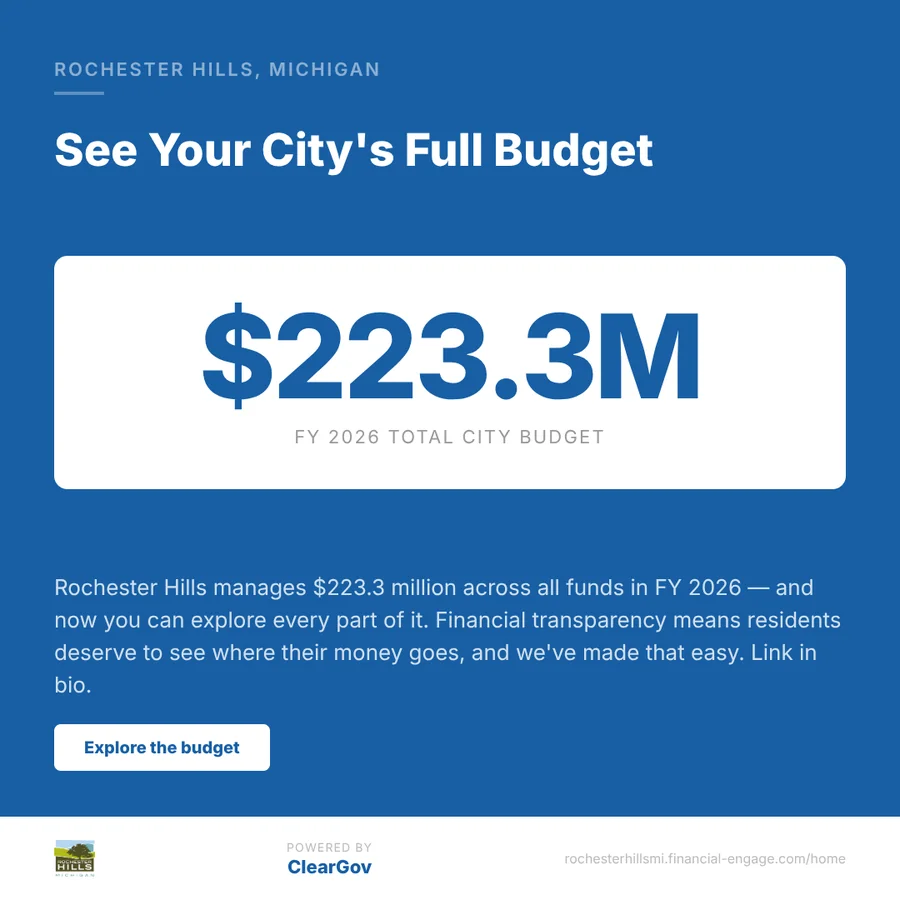
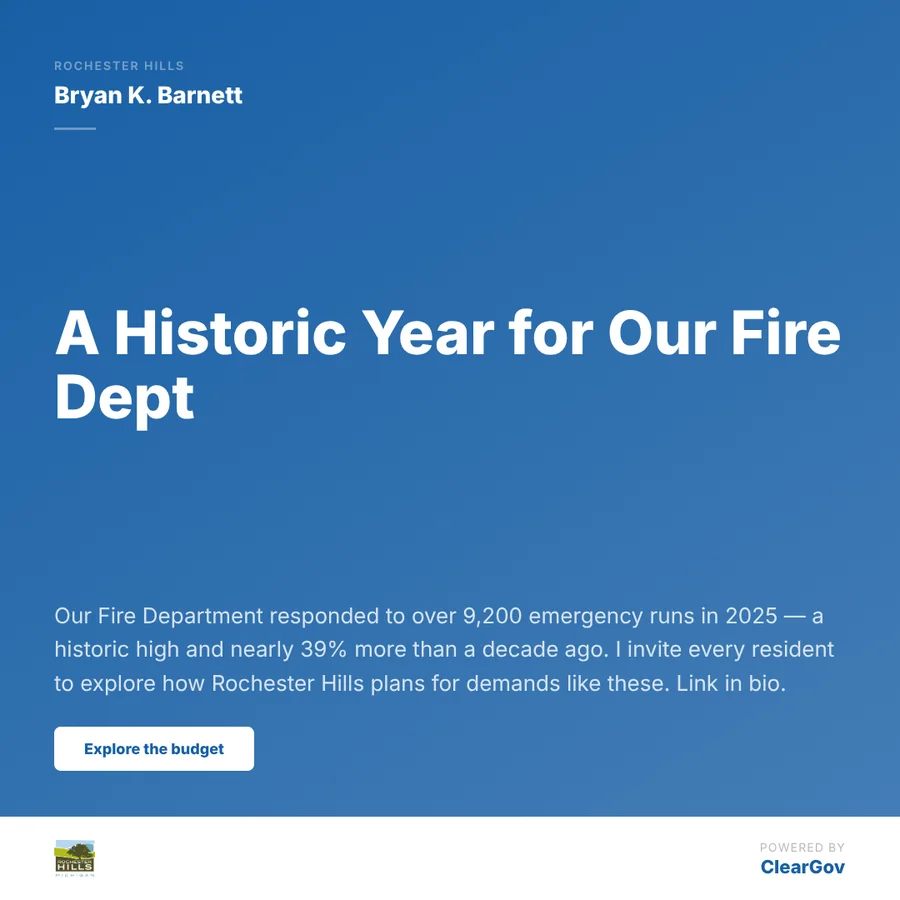

That changed the conversation with customers. Instead of deciding what we had time to create, we could focus on which combination of materials would be most useful for their audience and goals.
The biggest improvement wasn't writing faster. It was making high-quality outreach practical for every implementation.
Impact
34+
Reusable outreach materials
6
Communication channels
Under 2 minutes
To generate a complete outreach toolkit
What I Learned
AI creates the most value when it amplifies expertise instead of replacing it.
The toolkit didn't succeed because it could write faster than I could. It succeeded because it took knowledge that used to live in my head, built up implementation by implementation, and made it available to every customer, not just the ones I had time to reach.
That's become one of the principles I keep coming back to: technology is most valuable when it amplifies judgment instead of replacing it. The toolkit didn't just save time. It let the expertise behind a good implementation scale in a way it never could when it depended on me alone.